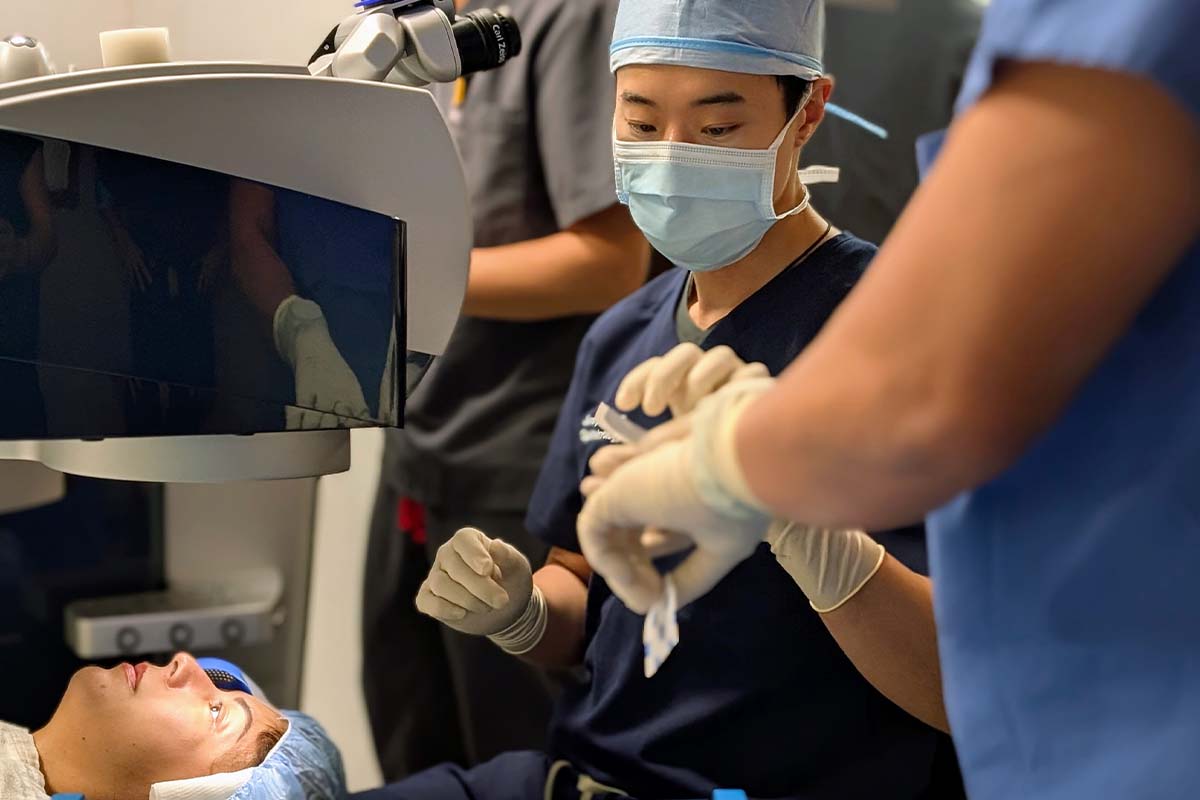
LASIK eye surgery is often advertised as a way to save money compared to buying glasses and contacts year after year. But is the upfront cost really worth it in the long run? To determine this, it’s helpful to consider the typical expenses for each option, think about the lifestyle and upkeep associated with them, and assess how LASIK might ultimately pay for itself.
Upfront vs. Ongoing Costs
LASIK surgery typically costs between $1,000 and $4,000 per eye, depending on factors such as the surgeon, technology, and location. The good part is it’s a one-time cost, and most people hardly need glasses or contacts afterward. Aside from a few follow-up appointments and the rare touch-up, there isn’t much to worry about, as far as ongoing expenses go.
Contact Lenses
Contacts can get pricey over time. On average, people spend around $250 a year, though costs can run anywhere from $200 up to $1,000 depending on the supplies you need. Add that up over a few decades. You could easily drop $30,000 or more, especially if you also need a pair of backup glasses.
Glasses
Glasses usually seem cheaper upfront, with basic frames and lenses costing about $200 to $600 a pair. But once designer frames, special coatings, progressives, or replacements come into the picture, the price can climb fast. Over 20 years, you might end up spending anywhere from $4,000 to $12,000 – and that’s not counting repairs or swaps along the way. A lot of glasses-wearing folks also go through multiple pairs and add in the occasional prescription sunglasses, too.
Lifetime Cost Comparison
| Option | Initial Cost | Yearly Ongoing Cost | Estimated 20-Year Total | Maintenance / Other Costs |
|---|---|---|---|---|
| LASIK | $2,000–$4,000 | Minimal | $2,000–$4,000 | Occasional checkups |
| Contact Lenses | ~ $100 | $200–$1,000 | $10,000–$30,000 | Solutions, backup glasses |
| Glasses | $200–$600 | $200–$600 | $4,000–$12,000 | Replacements, coatings |
For most people, LASIK pretty much pays for itself within about 5 years. Even if you don’t spend a ton on eyewear, those little costs—like replacement frames, contact lens refills, solution, and checkups—stack up quicker than you’d think.
Convenience & Lifestyle
Money aside, LASIK also makes life a lot easier. With contact lenses, the daily tasks of cleaning them, swapping them out, or dealing with irritation can become nothing less than a chore. Glasses can be a pain, too—they get lost, break, or just get in the way during sports or travel. LASIK cuts out most of those hassles altogether and can save you more than 60 hours a year on eyewear upkeep.
Insurance, Discount Plans, and HSAs
Vision insurance usually helps a bit with glasses or contacts, but it hardly ever covers LASIK. The good news is a lot of clinics take HSA or FSA funds, and they often run promos or discounts that can knock as much as 30% off the total cost, making it way more affordable. Financing is also a great option, with rates as low as 0% APR for 12 months!
Safety, Risks, and Non-Financial Factors
LASIK isn’t the right fit for everyone—some eye conditions can rule you out, and there’s always a small chance that you might need a touch-up later on. Glasses and contacts don’t involve surgery and can be customized, which works better for people who may fear a surgical procedure. It’s also worth keeping side effects in mind, but most patients say they’re happy with the results and love not having to deal with the daily hassle of glasses or contacts.
Final Thoughts
When you factor in everything—the upfront cost, the ongoing hassle, and the lifestyle benefits—LASIK is probably the smartest choice if you want permanent vision correction. Most people get their money back in less than 10 years, and after that, just think about how much you’ll save by ditching glasses and contacts. If you’re a good candidate, LASIK can really save you thousands in your lifetime and make life way easier with clear, hassle-free vision.